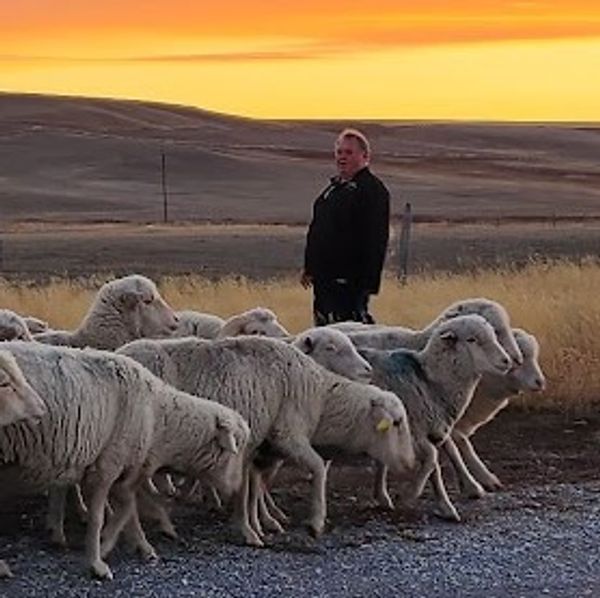
Environmental Stewardship: Protecting Montana While Growing Montana
We can — and must — develop our natural resources in a common-sense, environmentally responsible way. Montana has the technology and know-how to:
- Use clean coal technology to reduce emissions
- Produce oil and gas safely, without harming our land or water
- Promote forest health through responsible harvesting and active management
- Maintain beneficial agricultural use on federal and state lands
I believe environmental stewardship is about balance — protecting our landscapes while also ensuring we can farm, ranch, and responsibly develop energy. That includes being a full partner in forest management, working with state, federal, and local leaders to keep our lands healthy and productive.

Keeping Montana Open and Accessible
Montana’s beauty belongs to all Montanans. Whether you explore by truck, horse, bike, or foot — and whether you carry a rifle or a camera — you should have access to the “Last Best Place.”
At the same time, private property rights must be respected. I support policies, often backed by organizations like the United Property Owners of Montana, that ensure access on state and federal lands while safeguarding the rights of landowners. This balance ensures we keep Montana open and accessible without undermining the stewardship and investments of private landholders.

Protecting Montana’s Land
Montanans have always understood a simple truth: it’s always been about the land — and protecting it. Whether we’re developing natural resources, ranching, farming, welcoming tourists, hiking the backcountry, or hunting with family, we are part of the land. That connection comes with a responsibility to protect it, including from the devastating threat of severe wildfires.
That’s why I have carried the premier wildfire response bills in Montana — laws that ensure we hit fires earlier, harder, and faster. These include groundbreaking legislation allowing the state to fight fires on public lands and federal lands within five miles of state property, so we can protect our communities, timber, rangeland, and wildlife habitat before the flames get out of control.
My Fire Management Approach
- Fast Attack Firefighting – Immediate, aggressive response to contain fires before they spread.
- Jurisdiction Breakthroughs – Authority to fight fires on neighboring federal lands when Montana resources are at risk.
- Proactive Prevention – Thinning, fuel reduction, and active forest management to reduce fire intensity.
- Collaboration First – State, federal, local, and private partners working together instead of passing blame.
“As someone who’s spent years in the air fighting wildfires, I know that getting on a fire early — with the right assets — is the key to stopping it before it destroys lives, property, and clean air. Representative Llew Jones understands this better than anyone in Helena. He created Montana’s Fast Attack Fire Fund, secured large aerial firefighting capacity, expanded and made it permanent, and ensured the state can quickly engage federal fires near our borders. Llew didn’t just talk about solving Montana’s wildfire problem — he delivered real, lasting solutions.”
— Tim Sheehy, U.S. Senator & Former Aerial Firefighter
The “stop doing that” mentality of extreme environmentalists has too often paralyzed sensible forest and land management. I believe in a “can-do” approach — responsible resource development paired with the strict environmental safeguards. Montana can remain a bastion of western beauty while providing its citizens with boundless opportunity from our coal, oil, natural gas, timber, agriculture, wind, and minerals

Data Centers: Good Neighbors, or Build Somewhere Else
A data center comes to Montana only as a good neighbor. It pays responsible taxes, it does not harm our water, and it does not hand its power costs, road damage or cleanup to anyone else. If it won't do those things, we're better off without it.
The bill I'm preparing for 2027 makes that a rule: water metered and published, with a target of no more than 20 acre-feet a year per 100 megawatts, about what 20 acres of irrigated wheat uses. Power costs are paid by the data center, not your electric bill. Noise limits at the property line, lights aimed down, a teardown bond, and a council of neighbors from the host county and every bordering county, paid for by the data center.
A 300-mill levy keeps it from depreciating its way out of paying: half stays with the county and its neighbors, half goes to the Growth and Opportunity Trust, the largest share for property tax relief. Break the rules and the tax break is gone. Keep breaking them and the state shuts it down.